$15 Billion Iowa Steel Project Could Create Thousands of U.S. Jobs
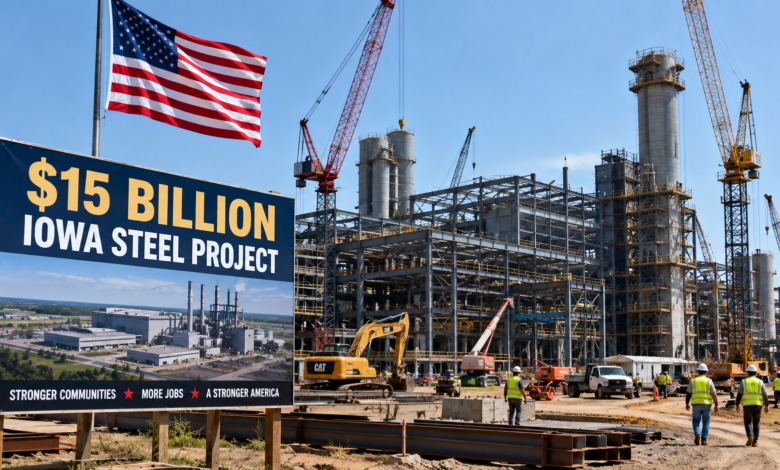
A massive new steel manufacturing project is planned for Iowa, with developers proposing approximately $15 billion in investment to build what they say would become the largest steel plant in the United States.
President Donald Trump announced the planned facility on September 28, 2026, alongside executives from Mesabi Metallics, the Minnesota-based company developing the project. The company says production could begin around 2030.
The proposed Iowa steel project could significantly expand domestic steelmaking capacity while creating thousands of construction and permanent manufacturing jobs.
However, the plant will require several years of development before production begins, meaning many of its projected economic effects remain dependent on construction, financing and successful completion.
What Is the $15 Billion Iowa Steel Project?
Mesabi Metallics plans to build a large steel manufacturing complex in eastern Iowa.
The facility is expected to initially produce approximately 7.5 million tons of steel annually.
Future expansion could increase annual capacity to about 10 million tons, according to project announcements.
At that scale, the plant would rank among the largest steelmaking facilities operating in the United States.
The project is designed as part of a broader domestic supply chain connecting iron ore production in Minnesota with steel manufacturing in Iowa.
Where Will the Iowa Steel Plant Be Built?
The project is planned for Lee County in southeastern Iowa.
The location provides access to important transportation infrastructure, including the Mississippi River and railroad networks.
Mesabi Metallics intends to transport iron ore from its Minnesota operations to the Iowa facility, where it would be processed into steel.
Access to rail and river transportation could help the company move large volumes of raw materials more efficiently.
Location will be particularly important because a steel plant of this size would require millions of tons of iron ore and other materials each year.
How Many Jobs Could the Iowa Steel Project Create?
One of the biggest parts of the announcement involves employment.
According to the White House and Mesabi Metallics, the project is expected to create around 1,750 permanent jobs in Iowa once fully operational.
Construction could support as many as 6,000 temporary jobs while the facility is being built.
Those positions could include work in areas such as:
- Construction
- Engineering
- Electrical systems
- Equipment installation
- Transportation
- Maintenance
- Steel production
- Industrial operations
- Logistics
- Environmental management
The actual number of workers employed at different stages will depend on the project’s construction schedule and eventual production level.
When Will the Steel Plant Open?
Mesabi Metallics currently expects the first steel production to begin around 2030.
That means the project remains several years away from full operation.
Large industrial facilities typically require extensive planning before production starts.
Development could involve site preparation, environmental approvals, construction, equipment installation, workforce hiring and testing.
Production may also be increased gradually rather than immediately reaching the project’s maximum 10-million-ton annual capacity.
Minnesota Iron Ore Will Supply the Plant
A major feature of the project is its connection to Mesabi Metallics’ iron ore operations in Minnesota.
The company recently began operations at a large mining and pellet facility near Nashwauk on Minnesota’s Iron Range.
The project is described by the U.S. Export-Import Bank as the first new iron ore mine of its kind to begin operating in the United States in more than 50 years.
Mesabi has invested more than $2.5 billion in its Minnesota operations.
The mine is expected to produce roughly 7 million to 7.5 million tons of high-grade iron ore pellets annually.
Those pellets could eventually become a major source of raw material for the Iowa steel plant.
From Minnesota Mine to Iowa Steel Mill
The company’s strategy is to create a more integrated American steel supply chain.
Iron ore would be mined and processed in Minnesota before being transported to Iowa.
At the new facility, the material would be used with recycled scrap steel in electric arc furnaces.
This “mine-to-mill” model could allow Mesabi Metallics to control more stages of steel production within the United States.
The planned chain would involve:
Minnesota iron ore → processing and pellets → transportation → Iowa steelmaking → finished steel products.
Supporters of the project say this structure could reduce reliance on imported steelmaking materials.
How Much Steel Could the Plant Produce?
Mesabi Metallics plans to begin with approximately 7.5 million tons of annual production capacity.
Later expansion could increase capacity to approximately 10 million tons per year.
For comparison, total U.S. steel production currently runs in the tens of millions of tons annually.
Adding a plant capable of producing close to 10 million tons would therefore represent a significant increase in domestic capacity.
However, those production numbers are future targets rather than current output.
The facility first has to be built and brought into commercial operation.
What Would the Steel Be Used For?
Steel produced at the Iowa facility could potentially serve numerous American industries.
Major steel consumers include:
- Automobile manufacturers
- Construction companies
- Energy infrastructure
- Railroads
- Machinery manufacturers
- Agricultural equipment companies
- Defense manufacturers
- Appliance producers
- Industrial equipment manufacturers
Steel remains one of the most important raw materials used across the U.S. economy.
Growing domestic capacity could provide manufacturers with another source of American-made steel.
What Is the Estimated Economic Impact?
The White House has projected that the project could contribute approximately $95 billion to the U.S. economy over its first decade.
That figure should be understood as a projection associated with the announced project rather than an independently established economic outcome.
Actual economic effects would depend on several factors, including:
- Construction progress
- Steel demand
- Production volumes
- Steel prices
- Energy costs
- Employment levels
- Transportation costs
- Global competition
Large manufacturing projects can also generate indirect economic activity through suppliers, contractors, transportation companies and local businesses.
Federal Financing Could Support the Minnesota Operations
The U.S. Export-Import Bank has announced support of up to $10 billion in financing associated with expansion of Mesabi Metallics’ Minnesota mining and processing operations.
The financing relates to the iron ore mine and direct-reduction pellet plant that would form the upstream portion of the company’s steel supply chain.
EXIM has described domestic mineral production as important for U.S. supply-chain security.
The agency’s board documentation also shows Mesabi Metallics’ Minnesota project moving through its approval process in September 2026.
Why Iowa?
Iowa is not traditionally known as one of America’s largest steel-producing states.
However, southeastern Iowa offers several characteristics that could support a large industrial project.
Its proximity to the Mississippi River provides access to one of the country’s most important freight transportation routes.
Rail infrastructure could also connect the facility with Mesabi’s Minnesota operations and customers across the Midwest.
Iowa officials have additionally promoted the state’s tax and business policies as factors in attracting the investment. Those statements reflect the officials’ assessment of why Mesabi selected Iowa.
Could the Plant Affect U.S. Steel Prices?
A facility producing up to 10 million tons of steel annually would add substantial capacity to the American market.
In theory, additional domestic supply could increase competition among producers.
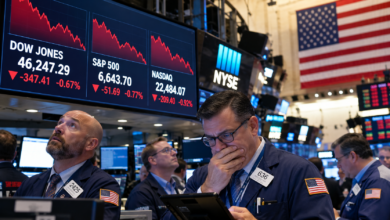
After the project announcement, shares of several existing U.S. steelmakers declined as investors considered the possibility of greater future competition and supply.
However, the plant is not expected to begin producing steel until around 2030.
Its immediate effect on current U.S. steel supplies is therefore limited.
Future pricing will depend on production costs, demand, imports, tariffs and broader economic conditions.
What Role Do Steel Tariffs Play?
The Trump administration has imposed tariffs of up to 50% on many imported steel products, arguing that the measures encourage investment in domestic manufacturing.
During the Iowa project announcement, Trump connected the planned investment to his administration’s tariff policies.
Supporters of steel tariffs argue that they help domestic producers compete against lower-priced foreign imports.
Critics and some manufacturers argue that tariffs can increase raw-material costs for U.S. businesses that use steel.
Both effects can occur in different parts of the economy, meaning the overall impact depends on the industry and time period being examined.
The Project Comes Ahead of the 2026 Midterm Elections
The announcement was made roughly five weeks before the November 3, 2026 U.S. midterm elections.
Several Iowa Republican officials attended the White House event, including state and congressional leaders. Reuters noted that Iowa has competitive Senate and congressional races this election cycle.
The administration presented the project as an example of increased U.S. manufacturing investment.
The project’s long-term economic effects, however, will depend primarily on whether the facility is completed and reaches its planned production levels.
Could the Iowa Project Strengthen U.S. Manufacturing?
If completed as planned, the steel facility would add significant production capacity to the domestic manufacturing system.
American manufacturers currently depend on a combination of domestically produced and imported steel.
A larger domestic supply could provide another source for companies operating in sectors such as transportation, construction, energy and industrial equipment.
A domestic mine-to-mill supply chain could also reduce some exposure to disruptions affecting international shipping or foreign suppliers.
Still, domestic production does not automatically guarantee lower steel costs.
Energy prices, labor expenses, demand and market competition will also influence the final cost of steel.
Environmental Considerations Will Also Matter
Steel production is highly energy intensive.
Large steel plants therefore face environmental and energy considerations involving electricity use, emissions, water consumption and waste management.
Mesabi Metallics plans to use electric arc furnaces combined with recycled scrap and direct-reduction iron.
Electric arc furnaces can use recycled steel as an important raw material and differ from traditional blast-furnace steelmaking.
The environmental footprint of the Iowa facility will ultimately depend on its final technology, electricity sources, production volume and regulatory requirements.
What Happens Next?
The September 28 announcement is an important milestone, but several years of development remain before the plant could begin producing steel.
Key stages to watch include:
- Final site development
- State and local approvals
- Financing arrangements
- Construction contracts
- Infrastructure preparation
- Equipment installation
- Hiring and workforce training
- Completion of the Minnesota supply chain
- Initial steel production
Mesabi currently targets 2030 for the beginning of production.
Further announcements should provide additional details about construction timelines and the plant’s final design.
Final Thoughts
The proposed $15 billion Iowa steel project could become one of the largest new manufacturing investments in the United States if it is completed according to current plans.
Mesabi Metallics expects the facility to create approximately 1,750 permanent Iowa jobs, support as many as 6,000 construction positions and eventually produce up to 10 million tons of steel annually.
The plant would also connect with Mesabi’s new Minnesota iron ore operations, creating a domestic supply chain stretching from mining to finished steel production.
Production is currently targeted to begin around 2030, so the project’s employment, output and economic-impact figures remain forward-looking estimates.
For Iowa and the wider U.S. manufacturing sector, the next major milestone will be whether construction proceeds on schedule toward commercial production.