U.S.-Iran Peace Talks Resume Through Mediators: What Could Happen Next?
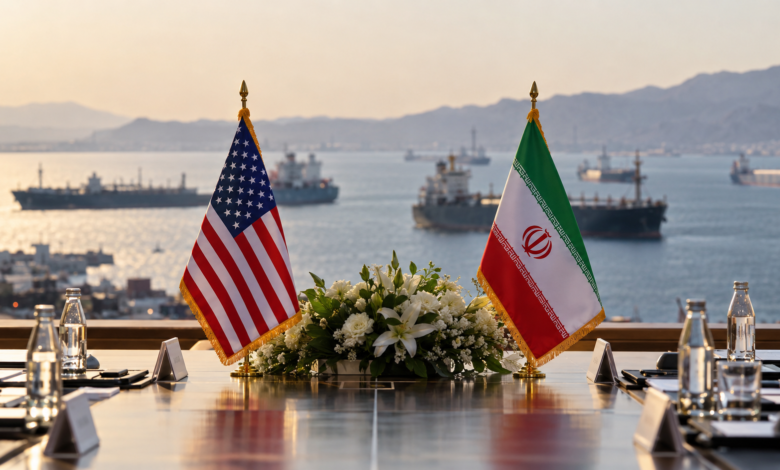
Diplomatic efforts between the United States and Iran have entered a new phase as officials from both countries engage separately with mediators in an attempt to find a path toward ending months of conflict.
On September 28, 2026, U.S. and Iranian officials held separate discussions with mediators as part of renewed negotiations. The discussions are expected to focus on a revised version of an Iranian proposal presented around the United Nations General Assembly in New York.
The latest diplomatic activity does not mean that a peace agreement is close. However, continued communication through mediators indicates that diplomatic channels remain open despite significant disagreements between Washington and Tehran.
Why Have U.S.-Iran Peace Talks Restarted?
The current diplomatic effort follows months of military confrontation and repeated attempts to establish temporary ceasefires.
Previous mediated ceasefire agreements reached earlier in 2026 did not produce a lasting end to the fighting. According to Reuters, ceasefires agreed in April and June later broke down.
Both sides now appear willing to continue communicating through intermediaries.
Iranian Foreign Minister Abbas Araqchi has publicly emphasized negotiations as a possible way out of the current confrontation. Meanwhile, U.S. officials have also indicated that diplomatic discussions remain possible, although major disagreements continue over the terms of any settlement.
What Is Iran Proposing?
A central part of the latest discussions concerns a proposal presented by Iran.
Iran has indicated that it could reopen the Strait of Hormuz if certain conditions are met, including a reduction in U.S. military pressure and changes affecting Iranian ports and trade.
Iran presented a proposal through mediators earlier in September and indicated that the strategically important waterway could be reopened within a short period if an agreement was reached.
President Donald Trump said on September 26 that he had rejected an earlier version of Iran’s proposal. Despite that rejection, mediation efforts have continued, suggesting that negotiators may attempt to modify the proposal rather than abandon discussions entirely.
Why Is the Strait of Hormuz So Important?
The Strait of Hormuz is one of the world’s most important energy shipping routes.
Located between Iran and Oman, the narrow waterway connects the Persian Gulf with the Gulf of Oman and the Arabian Sea. A significant amount of global oil and liquefied natural gas trade normally passes through the region.
Disruption to shipping through the strait can therefore affect far more than the countries directly involved in the conflict.
Possible consequences include:
- Higher global oil prices
- Rising transportation costs
- Increased fuel prices
- Pressure on global inflation
- Shipping delays
- Greater uncertainty in financial markets
Recent uncertainty surrounding the conflict has already affected oil markets and investor sentiment. Reuters reported on September 28 that oil prices rose as markets reacted to uncertainty over the prospects for a peace agreement.
A lasting agreement that restores safer commercial shipping through the Strait of Hormuz could therefore have significant consequences for global energy markets.
What Are the Main Obstacles to an Agreement?
Despite renewed diplomacy, several difficult issues remain unresolved.
1. Conditions for Ending the Fighting
Washington and Tehran have different demands regarding how military operations should end and what each side must do before a ceasefire becomes permanent.
Reaching a temporary pause may be easier than agreeing on a long-term security arrangement.
2. Strait of Hormuz
The future operation and security of the Strait of Hormuz is expected to remain a major issue.
Iran views the waterway as strategically important to its national security and economy, while the United States and other countries emphasize freedom and safety of navigation.
3. Iran’s Nuclear Program
Iran’s nuclear activities remain another major area of disagreement.
U.S. officials have repeatedly stated that preventing Iran from obtaining a nuclear weapon is a central objective in discussions with Tehran. Iran has maintained that its nuclear program is for peaceful purposes.
Secretary of State Marco Rubio said earlier in September that Washington remained open to discussions if they could produce constructive results related to nuclear concerns.
4. Economic Restrictions
Sanctions, restrictions on Iranian trade and access to international markets are also likely to form part of any broader negotiations.
Iran has sought economic relief as part of diplomatic proposals, while Washington has historically connected sanctions relief to changes in Iranian policy.
What Role Are Mediators Playing?
Mediators are particularly important because Washington and Tehran are not necessarily conducting all negotiations directly.
Countries with relationships with both sides can pass proposals, clarify positions and search for compromises without requiring immediate face-to-face negotiations.
Qatar has been involved in the latest mediation efforts, with mediators communicating separately with U.S. and Iranian representatives.
This form of indirect diplomacy allows discussions to continue even when political tensions make direct negotiations difficult.
Could the Talks Lead to a Ceasefire?
A ceasefire remains possible, but the latest discussions should not be viewed as evidence that an agreement has already been reached.
The history of negotiations during 2026 shows why caution is necessary. Earlier ceasefires eventually collapsed, demonstrating that agreeing to stop fighting temporarily and establishing a durable political settlement are different challenges.
Negotiators may initially focus on achievable steps such as reducing military operations, improving shipping conditions and establishing mechanisms for further talks.
If those measures succeed, broader negotiations could follow.
Why Global Markets Are Watching Closely
The outcome of the U.S.-Iran peace talks matters well beyond the Middle East.
Energy traders, shipping companies, investors and governments are closely following developments because prolonged instability could continue affecting energy supplies.
When tensions rise around the Strait of Hormuz, markets often focus on whether oil and gas shipments could face additional disruption.
On September 28, higher crude prices contributed to pressure on U.S. financial markets as investors assessed the possibility of continued conflict.
A credible peace process could reduce some of that uncertainty, although markets are likely to remain sensitive to military and diplomatic developments.
What Could Happen Next?
Several scenarios are possible.
The United States and Iran could continue indirect negotiations while mediators develop a revised proposal acceptable to both sides.
Another possibility is a limited agreement focusing first on a temporary ceasefire or shipping arrangements rather than attempting to resolve every political and security dispute immediately.
Negotiations could also stall if either side decides that the other’s conditions are unacceptable.
For now, the most important development is that communication has continued despite the rejection of an earlier proposal.
Final Thoughts
The renewed U.S.-Iran peace talks through mediators represent another attempt to reduce a conflict that has affected regional security, global shipping and energy markets.
There is still a substantial gap between negotiations and a lasting peace agreement. Previous ceasefires have broken down, and major disagreements involving military operations, economic restrictions, the Strait of Hormuz and Iran’s nuclear program remain unresolved.
However, continued mediation gives both governments a channel for exploring possible compromises without immediately moving to direct negotiations.
The next proposals exchanged through mediators could determine whether the current diplomatic effort develops into a new ceasefire process or becomes another unsuccessful attempt at ending the conflict.